Participants
Join researchers, clinicians, policymakers, and advocates as we explore the social dimensions of Long Covid through talks, workshops, and discussion. Below, you can find more about some of the speakers of the day. We will also encourage audience participation both in-person and online.
Meet the Speakers
Below are some of the speakers who will be participating in the symposium.

Cynthia Adinig
CYNAERA & BIPOC Equity Agency
Teresa Tindle Akintonwa
Black Covid-19 Survivors Alliance
Larry Au
The City College of New York, CUNY
Andre Luiz Sica de Campos
University of Campinas
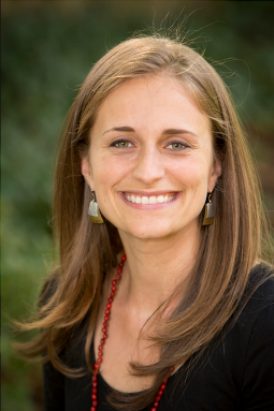
Abigail Dumes
University of Michigan
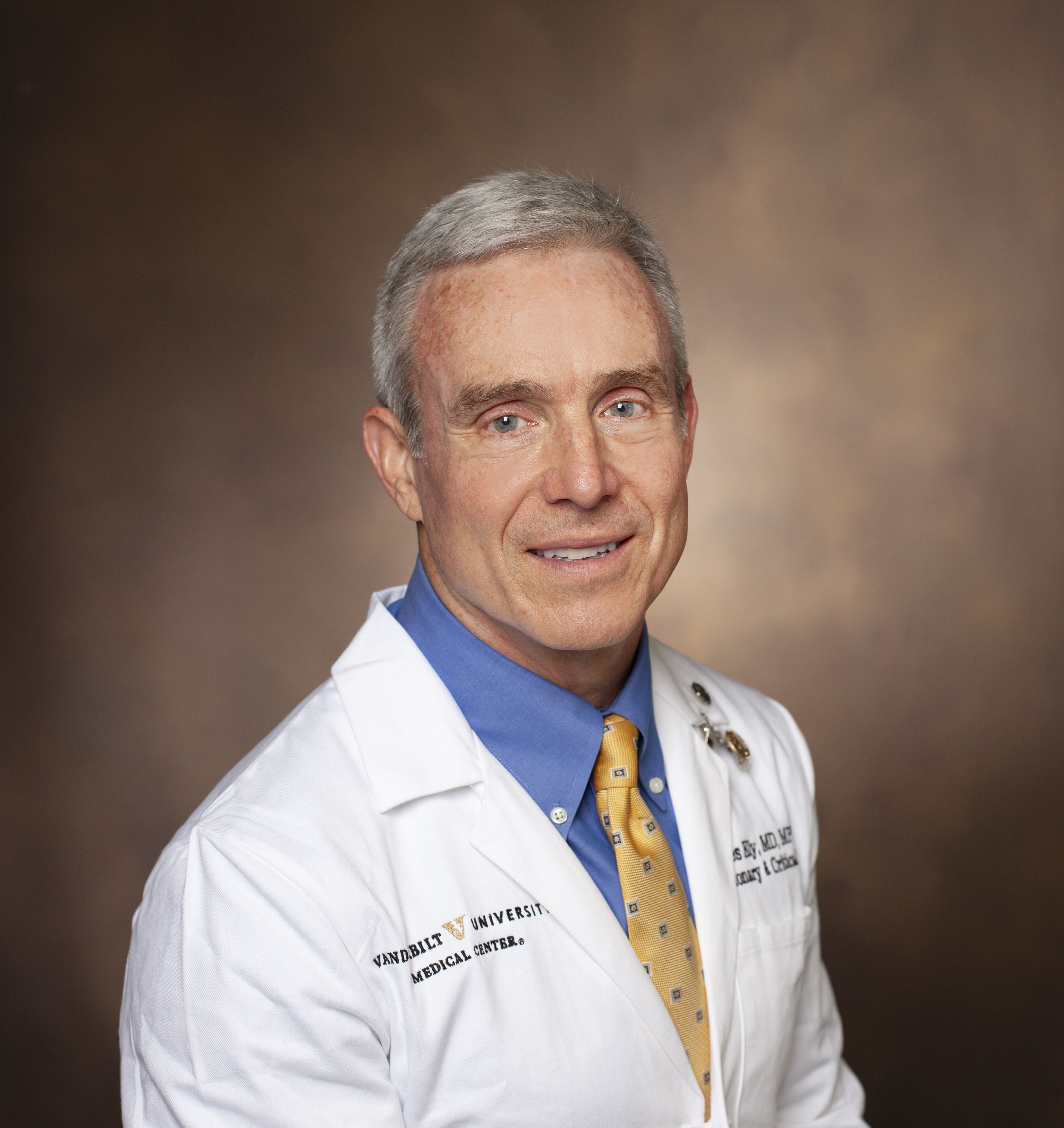
E. Wesley Ely, MD, MPH
Vanderbilt University Medical Center
Gil Eyal
Columbia University
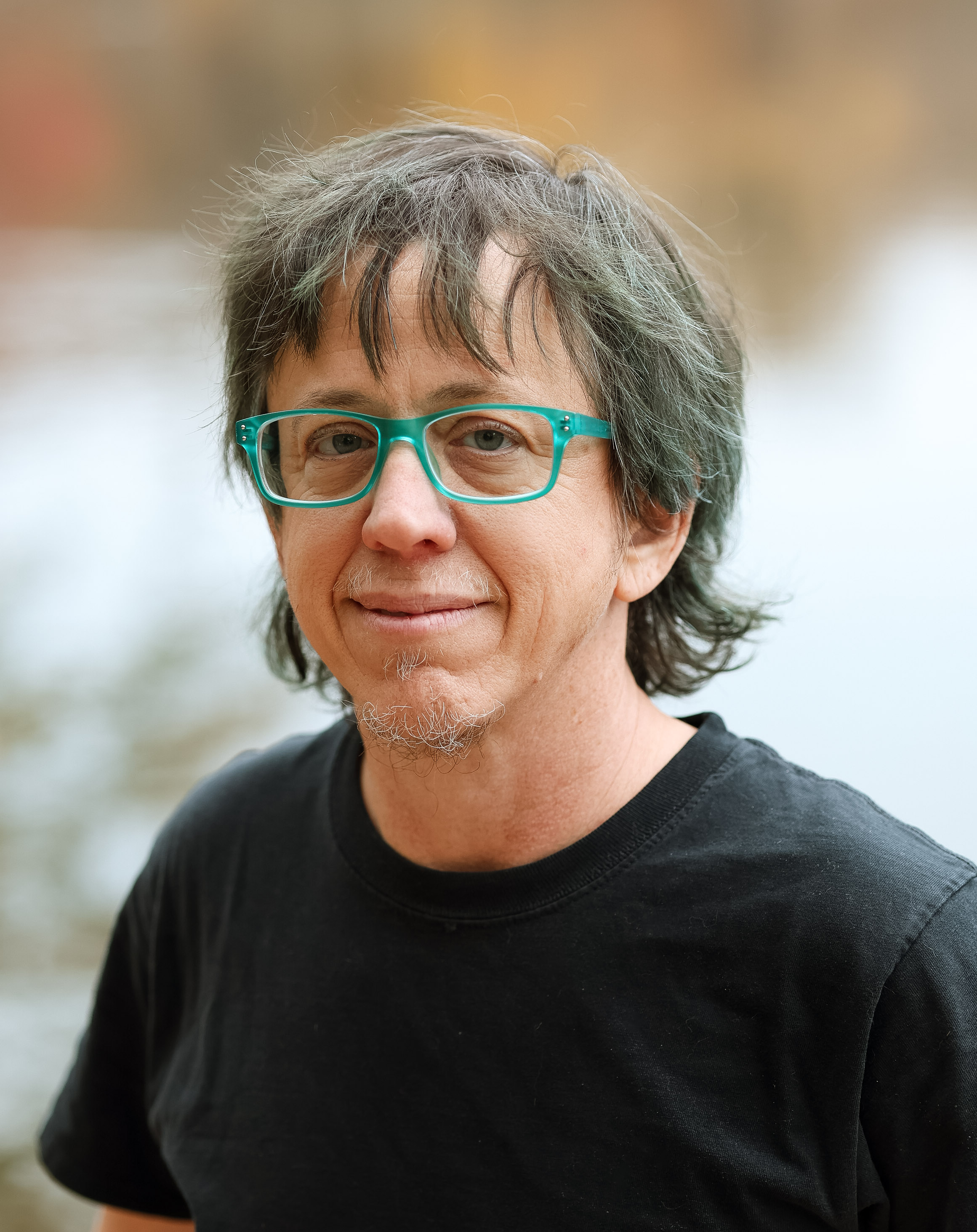
JD Davids
CUNY
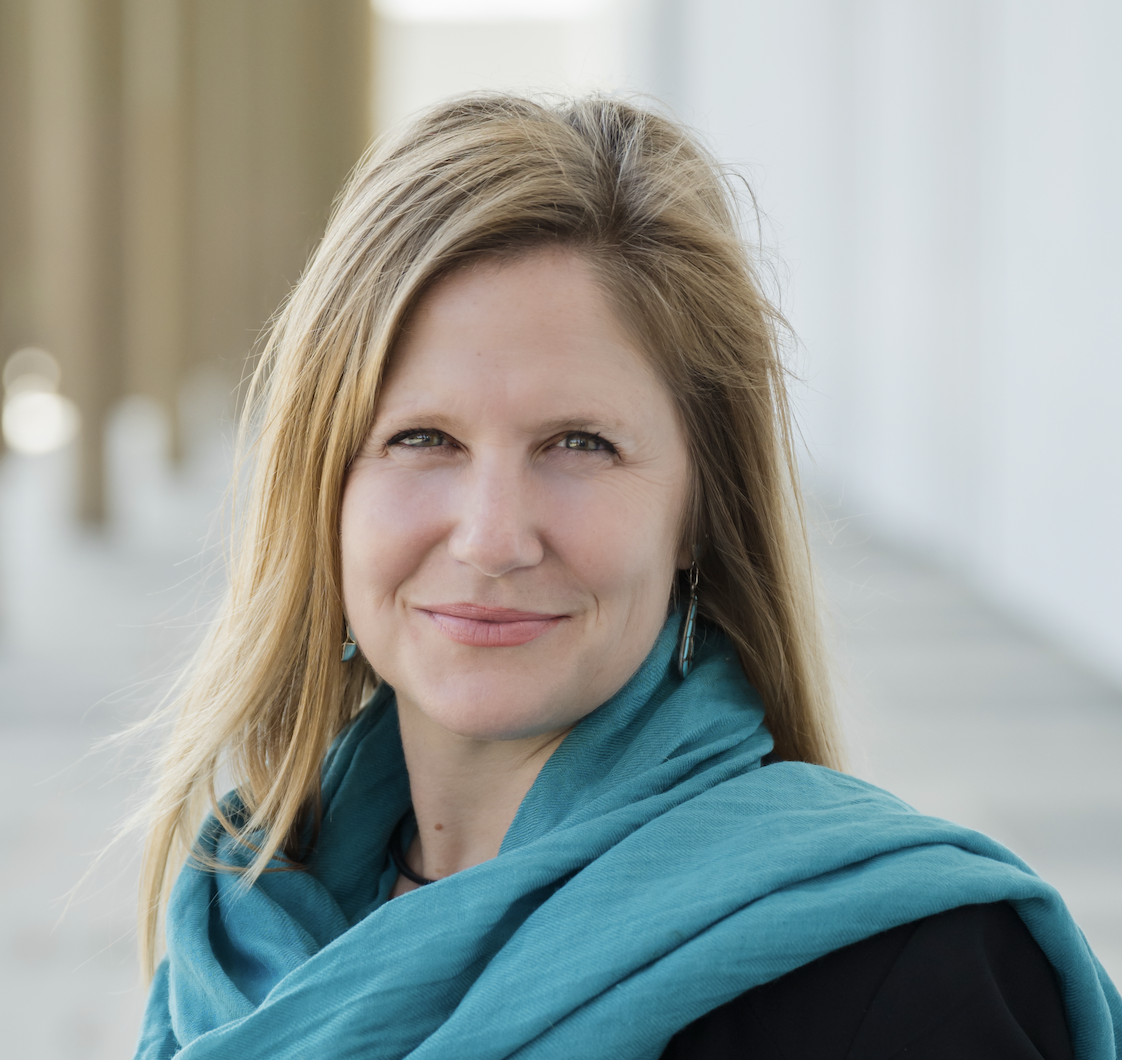
Emily Mendenhall
Georgetown University
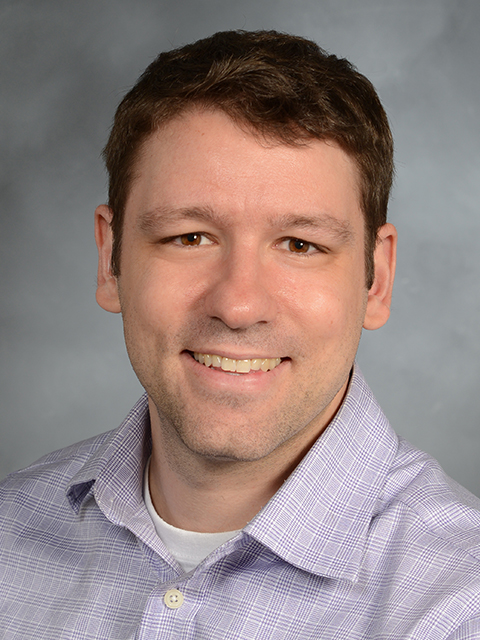
David Scales
Weil Cornell
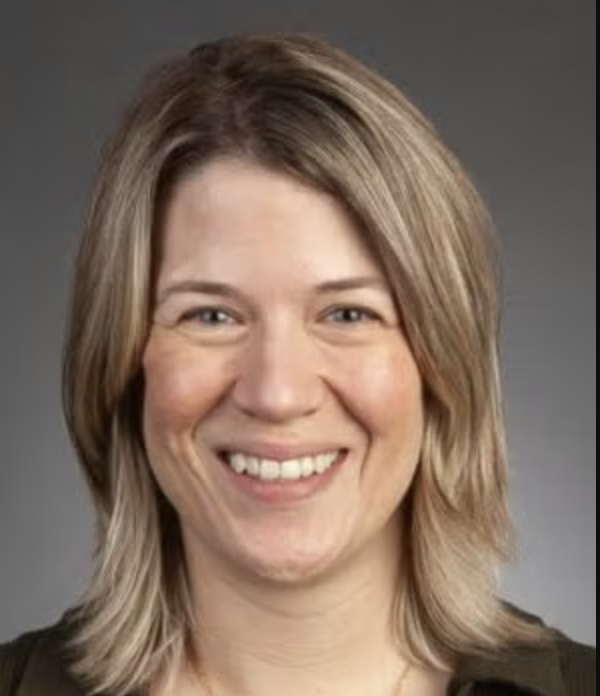
Melina Sherman
University of Central Florida
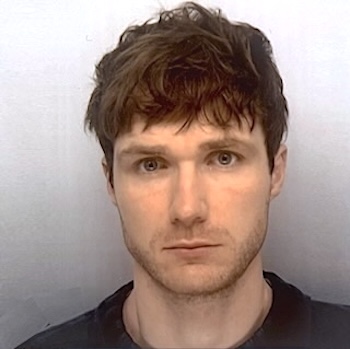
Pierre Robicquet
Mines Paris – PSL
Ilana Löwy
CNRS
Kelly Calhoun Sealey
Long Covid Community Engagement
Kathryn (Kat) Varga
POTS Patient Experiences
Emily Lim Rogers
Duke University
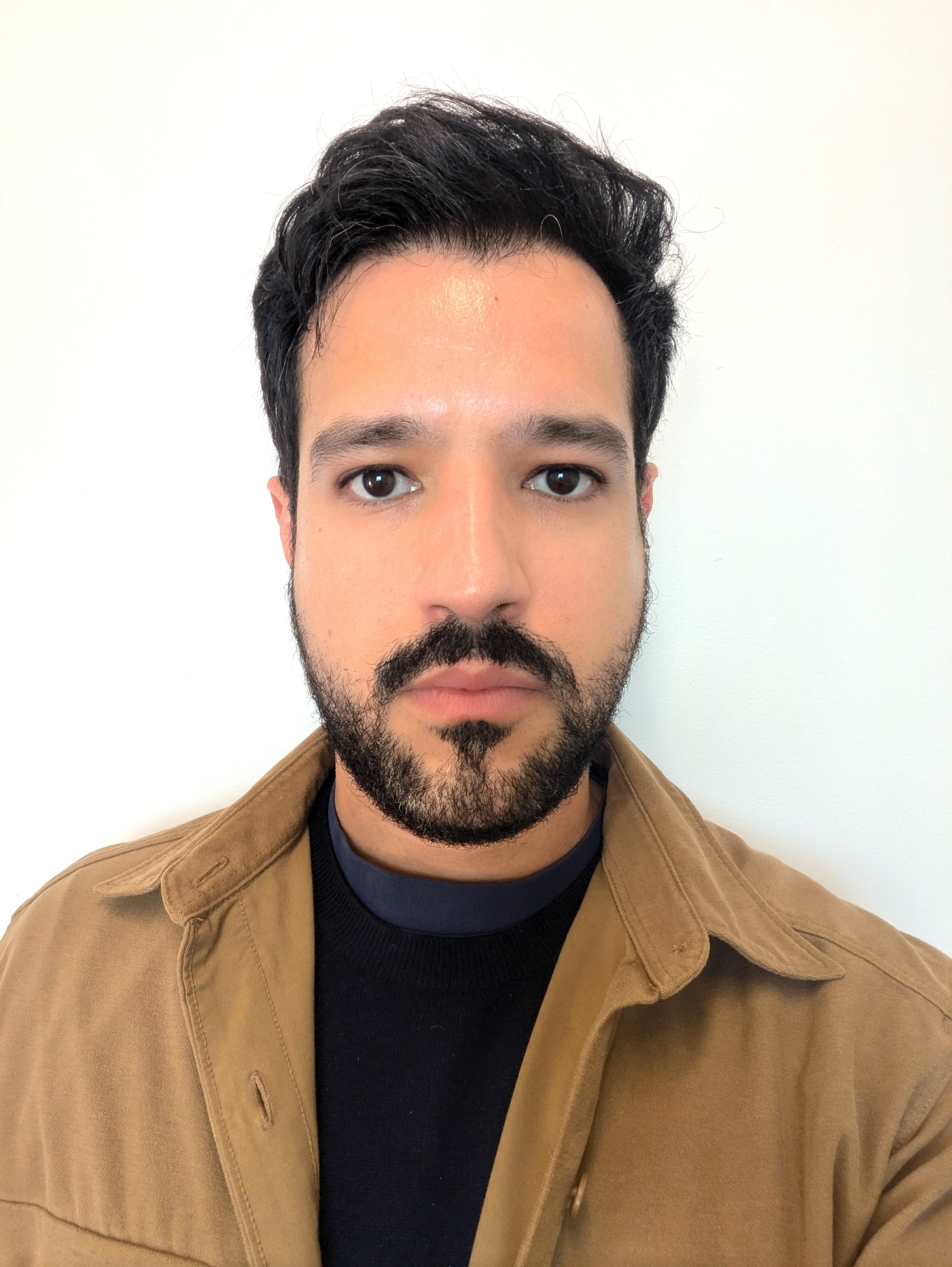
Renan Leonel Gonçalves da Silva
New Jersey Institute of Technology
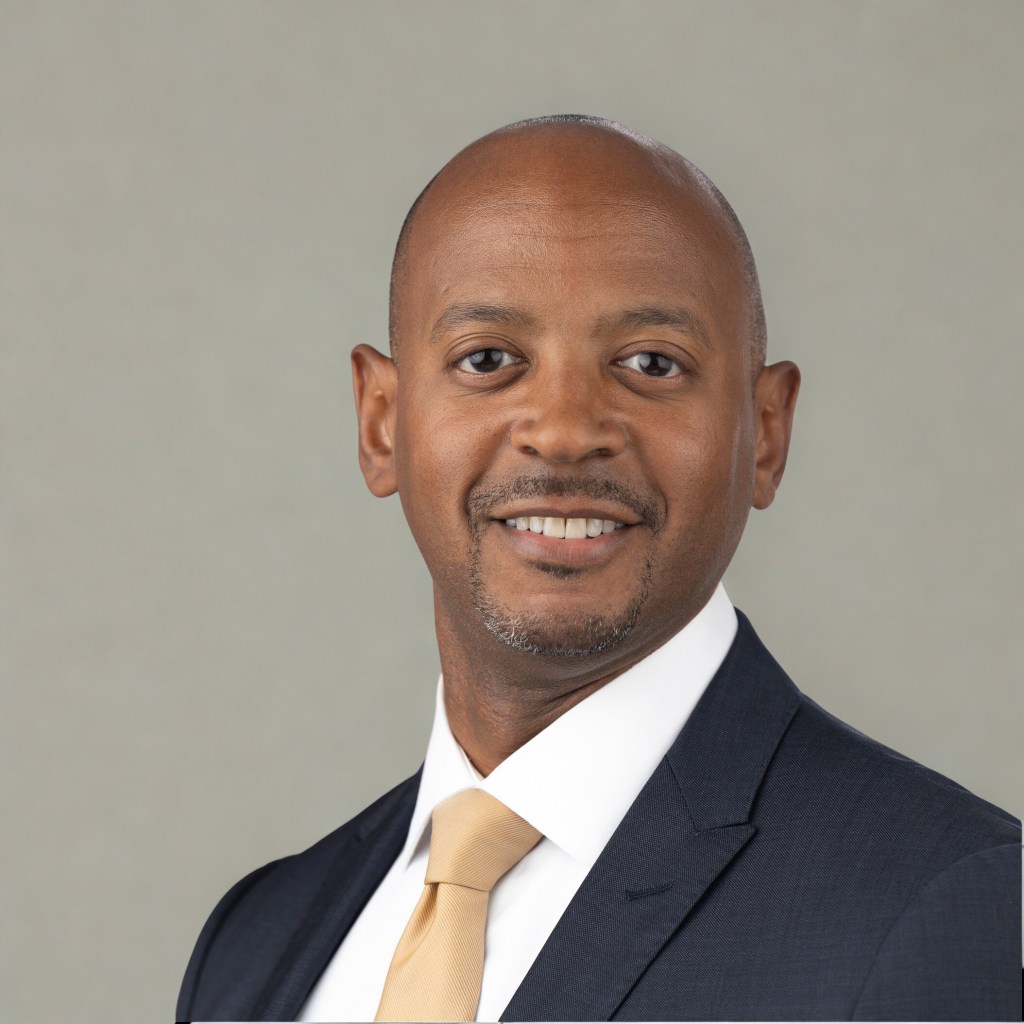
Ian Simon
Former Director of the HHS Office of Long Covid
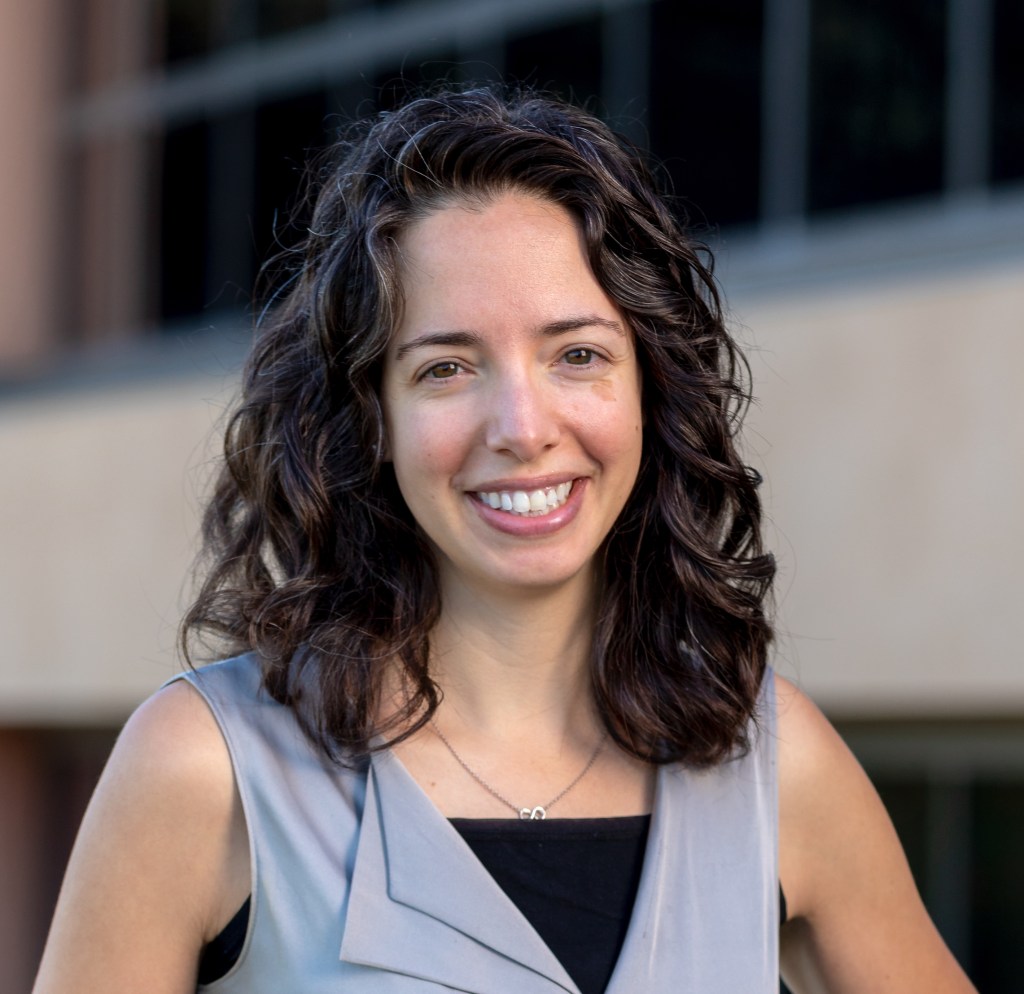
Julia Moore Vogel
Scripps Research and Patient Led Research Collaborative
Yanze Yu
Columbia University
Speaker Bios
Cynthia Adinig is the founder of CYNAERA and co-founder of the BIPOC Equity Agency. After developing Long COVID in 2020, she became a federal policy adviser and researcher, contributing to every major Long COVID legislative effort introduced in the United States since 2021. Trained in Long COVID research through the University of South Carolina, she has advised Long COVID research at Yale, Mt. Sinai, and UMass Chan, and was selected as a member of the HHS Secretary’s Advisory Committee on Long COVID. Through the CYNAERA Institute, she applies AI-driven systems modeling to Long COVID and related infection-associated chronic conditions, including work to reduce environmental burden through more efficient research and analytic design, while improving how research, policy, and care are built.
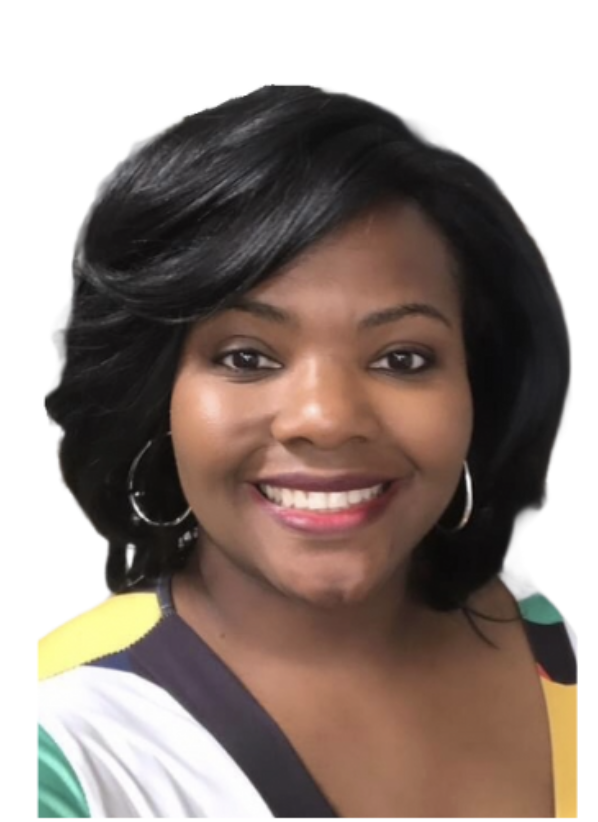
Teresa Tindle Akintonwa became a “Long Hauler” following a February 2020 COVID-19 infection and went on to found the Black COVID Survivors Alliance (BCS Alliance). This national, patient-led organization began as one of the first peer-led support communities for African American and Black individuals living with Long COVID and has since expanded to include policy and program development, as well as critical trust-building between Black communities and health institutions.
Her early advocacy and ethnographic insight into the bias and systemic barriers within Long COVID care propelled her into the heart of health justice. She advises organizations on the social determinants of patient engagement, translating lived experience and cultural competency into strategies that inform research and community-based initiatives, while empowering BIPOC patients to actively participate in advancing health equity.
In addition to serving as a patient representative for the NIH RECOVER Initiative, Teresa has co-authored research in partnership with various patient-led organizations. She is the architect of the Trust First Triage™ Framework, a strategic pre-engagement model grounded in the Dual Expert Principle. This framework recognizes patients and providers as equal contributors and centers trust and cultural competency as the necessary foundation for effective, non-extractive health initiatives.
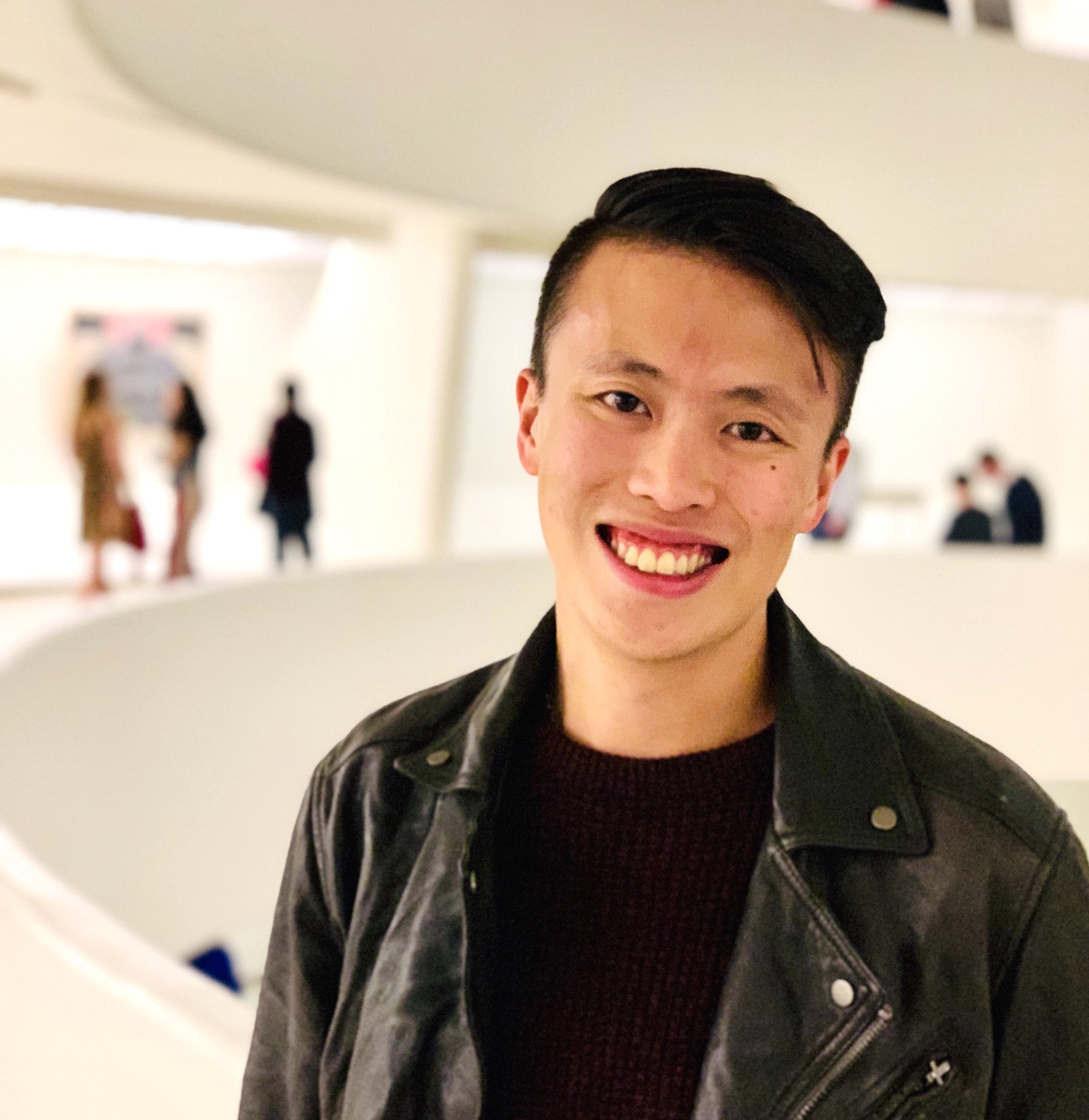
Larry Au is an Assistant Professor of Sociology at The City College of New York, CUNY. His research examines the dynamics of inclusion and exclusion in the production of biomedical knowledge, and asks how clinicians and scientists can better serve their patients and the public. Part of this work examines the globalization of precision medicine—or the use of genomics and other forms of big data to improve diagnosis and treatment—as a policy idea and scientific project, focusing primarily on its rise in China. Another part of this research looks at the politics of expertise around chronic and complex conditions, in particular, the experience of patients as they navigate uncertainties around their condition.
Dr. André Luiz Sica de Campos is an Associate Professor of Public Policy at the University of Campinas (Brazil). His research has been funded by national and international agencies, including CNPq (Brazil), the NSF, and the ESRC (United Kingdom), with a focus on arboviruses, COVID-19, and the production and application of knowledge. He recently co-edited COVID-19 Responses in Cultural and Political Context: Paradox of Precaution (Edward Elgar Publishers), which examines the interrelations between pandemic responses, information, and cultural contexts across nine countries, including the United States, Mexico, China, India, and Brazil. He is currently funded by FAPESP (São Paulo State Research Foundation, Brazil) and serves as co-principal investigator of the CoProExpert consortium in Brazil, which examines patient activism and the co-production of knowledge related to chronic conditions resulting from Zika virus and Long COVID.
JD Davids is a transgender and queer chronically ill and disabled strategist, storyteller and organizer working with national networks of people living with HIV, Long COVID, ME/CFS and other infection-associated chronic conditions. He is a member of the Patient-Led Research Collaborative, is a patient peer reviewer for the British Medical Journal and has served as an advisor to NIH, CDC, and state and local health departments. He writes and hosts conversations for the Cranky Queer Guide to Chronic Illness and is a member of the iconic What Would an HIV Doula Do collective. Davids was a longtime member of ACT UP Philadelphia and the founding executive director of CHAMP, a national mobilization force on HIV prevention justice, as well as co-founder of Long COVID Justice. Currently, he is in the Biography and Memoir program at City University of New York (CUNY) Graduate Center, writing a memoir and conducting research on patient-led social movements, disability justice and sexual liberation.
Abigail A. Dumes is a medical anthropologist and associate professor of Women’s and Gender Studies at the University of Michigan. She is the author of Divided Bodies: Lyme Disease, Contested Illness, and Evidence-Based Medicine and was a member of National Academies of Science, Engineering, and Medicine’s Committee on Examining the Working Definition for Long COVID. She is currently the co-principal investigator on a mixed methods study on Long COVID, work, and disability among University of Michigan-Ann Arbor faculty and staff.
E. Wesley Ely, MD, MPH, is an internist, pulmonologist, and critical care physician. Dr. Ely earned his MD at Tulane University School of Medicine, in conjunction with a Master’s in Public Health. He serves as the Grant W. Liddle endowed chair in medicine and is a physician-scientist and tenured Professor at Vanderbilt University Medical Center. He is also the Associate Director of aging research for the Tennessee Valley Veteran’s Affairs Geriatric Research Education Clinical Center (GRECC) in Nashville TN. He is the founder and codirector of the Critical Illness, Brain Dysfunction, and Survivorship (CIBS) Center, and a pioneer in the investigation of delirium and long-term cognitive outcomes, including dementia, in survivors of critical illness, with continuous NIH and VA funding for 25 years and over 600 peer reviewed publications. He designed and was a lead investigator for the study of JAK/STAT inhibitors in acute COVID-19, which successfully proved a survival advantage for this class of medications, leading to FDA-approval and the strong WHO recommendation for these medications for hospitalized patients receiving oxygen. He is the principal investigator for an NIA/NIH funded phase III investigation of immunomodulation for patients suffering from Long COVID. His CIBS research center hosts free daily support groups to provide community and help in recovery for patients with Long COVID and their families. Dr. Ely is the author of a work of narrative non-fiction entitled Every Deep-Drawn Breath, from which he’s donating100% net proceeds to help COVID survivors and family members rebuild their lives.
Gil Eyal is Professor of Sociology and Director of the Trust Collaboratory at Columbia University. He works in a broad field, which encompasses sociological research on science, medicine, professions, intellectuals and knowledge, especially as these intersect with political and legal institutions. He calls this the sociology of expertise, because this term does not prejudge who or what is included within the field. He is interested in what scientists and professionals do, but also in how ordinary people as “lay experts” put together novel forms of expertise.
Renan Gonçalves Leonel da Silva is a Research Associate at the Leir Research Institute for Business, Technology, and Society within the Martin Tuchman School of Management at the New Jersey Institute of Technology (NJIT). He also serves as a Research Fellow in the Center for Ethics and Responsible Research at the same institution. He is a Co-PI at CoProExpert and leads the Trust in Autonomous Labs project housed at the Trust Collaboratory at Columbia University.
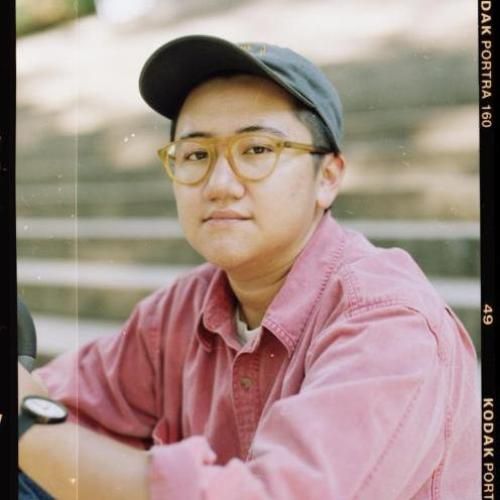
Emily Lim Rogers is an Assistant Professor of Cultural Anthropology at Duke University. Her first book, Sick Work: Exhaustion, Labor, and Invisible Illness is forthcoming from Duke University Press (September 2026). The book examines myalgic encephalomyelitis/chronic fatigue syndrome (ME/CFS) and argues that the US healthcare system, alongside institutions of work and the state, mean that being ill takes invisible labor that in turn invisibilize people with chronic illnesses.
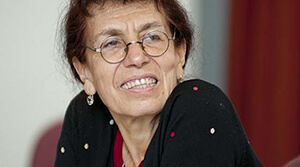
Ilana Löwy (she/her) is a senior researcher emerita at INSERM (The French National Institute of Health and Medical Research). Trained as a biologist, she then retrained as a historian of science and medicine. Her main research topics are past and present relationships between laboratory sciences, clinical medicine, and public health. She published recently Imperfect Pregnancies: A History of Birth Defects and Prenatal Diagnosis (JHUP, 2017), Tangled Diagnoses, Women, Prenatal Testing and Risk (Chicago UP, 2018), and Viruses and Reproductive Injustice: Zika in Brazil (JHUP, 2024). She now studies Long Covid in France and Brazil from a historical and sociological perspective.
Emily Mendenhall is an anthropologist, Guggenheim Fellow, and Professor in the School of Foreign Service at Georgetown University. She has authored six books, including Syndemic Suffering (2012), Global Mental Health (2015), Rethinking Diabetes (2019), Unmasked (2022), Savoring Care (2025) and Invisible Illness (2026). She serves as Editor-in-Chief of a new publication, Science Politics, and has written for Scientific American, Vox, and Psychology Today.
Pierre Robicquet joined the CSI as a postdoctoral fellow in May 2025. He is involved in the CoProExpert project (Emergent Diseases, Patient Activism, and the Co-Production of Expertise) coordinated by Gil Eyal (Columbia University) and Madeleine Akrich (Mines Paris PSL). As part of the project, he contributes to studying the emergence of Long Covid and the process of its medical, scientific, and institutional recognition in France, the United States, and Brazil. At the intersection of the sociology of expertise, work, and organizations, Pierre’s work focuses on the processes surrounding knowledge construction, the stabilization of networks of actors, and transformations in healthcare organizations. For his Ph.D. thesis, which he completed in 2024 at the École des hautes études en sciences sociales, he examined the networking of mental health organizations and its implications for public psychiatry.
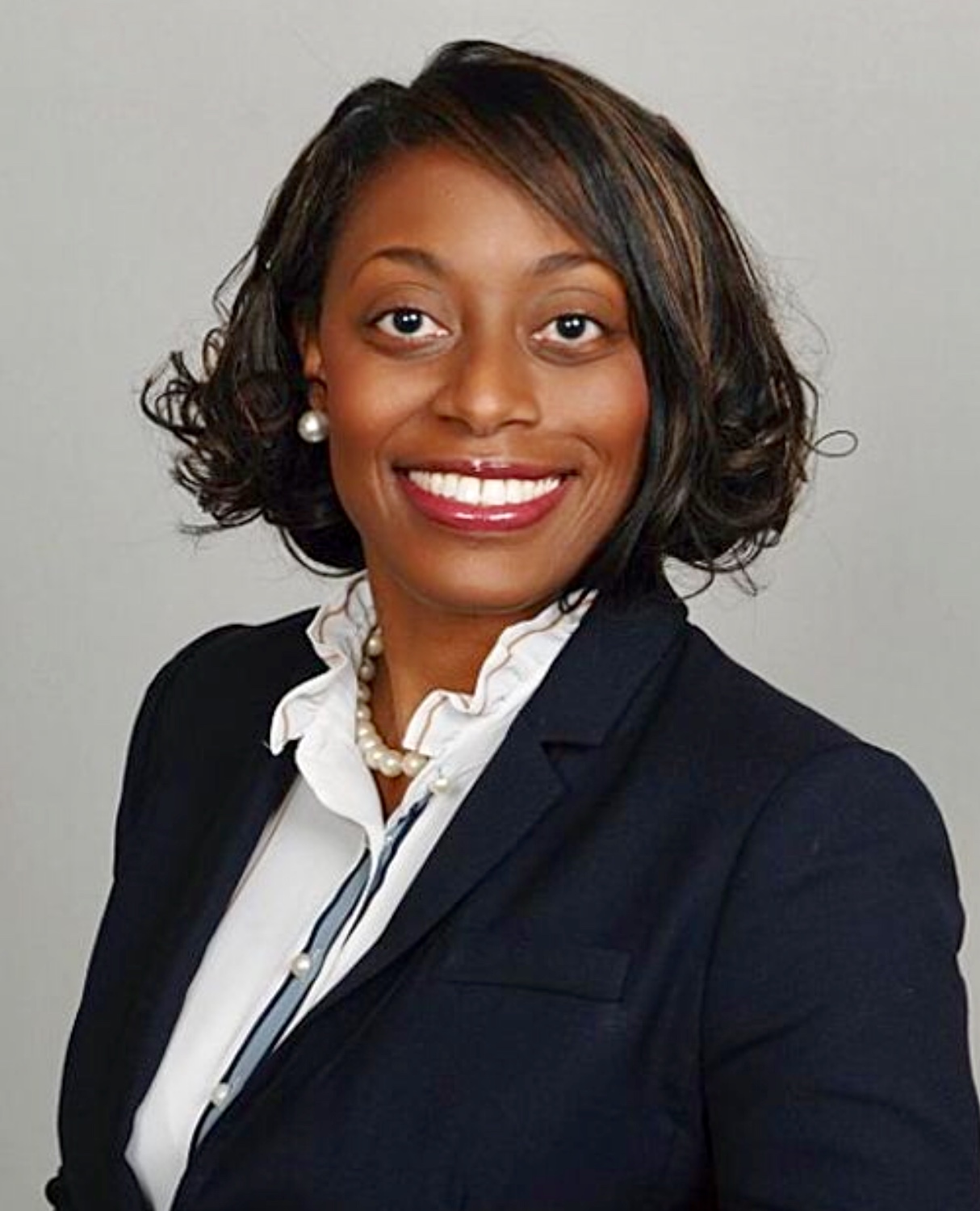
Kelly Sealey is a seasoned healthcare education and community engagement leader with 22 years of experience spanning academic medicine, public health, and surgical training. She most recently served as the Program Manager for the Healthier 901 initiative at Methodist LeBonheur Healthcare and previously held senior leadership roles in the College of Medicine at the University of Tennessee Health Science Center and the Shelby County Health Department, where she served as Deputy Administrator for the county-wide COVID‐19 Response Unit. A Long COVID patient advocate for the past four years, Kelly has presented at the National Academies of Sciences, Engineering, and Medicine (NASEM) Conference, appeared as a guest on the local radio show Real Talk Memphis, and contributed to NIH clinical studies sponsored by the Critical Illness, Brain Dysfunction and Survivorship (CIBS) Center at Vanderbilt University Medical Center. Kelly’s work continues to reflect a deep commitment and passion for community partnership and advancing equitable, patient‐centered healthcare.
David Scales MPhil, MD, PhD is an internal medicine hospitalist and assistant professor at Weill Cornell Medicine whose sociology, epidemiology, and internal medicine training provides an interdisciplinary foundation to studying how structural factors shape health information environments and allow misinformation to take hold. Drawing on both qualitative and quantitative methods, he translates across academic, clinical, and public spheres to build community-based interventions against health misperceptions, developing “community-oriented motivational interviewing” and publishing in venues ranging from the New England Journal of Medicine to Nature Human Behavior, WBUR and the Columbia Journalism Review. His clinical and research interests center underserved populations, including those marginalized by the structure of the US healthcare system.
Dr. Ian Simon is a nationally recognized leader in public health policy and pandemic preparedness, with deep experience operating at the intersection of government, science, and innovation. Currently, he is Co-founder and Principal at Oakmont Advisors, a consulting firm in Washington DC. In his most recent position in government — from January 2023 to April 2025 — he served as Director of the Office of Long COVID Research and Practice at the U.S. Department of Health and Human Services, where he led government-wide coordination to address the long-term impacts of COVID-19. Prior to that, Dr. Simon was Assistant Director for Health Strategy and Biopreparedness at the White House Office of Science and Technology Policy, where he helped shape federal strategy to prevent pandemics, strengthen health security, and accelerate public-private innovation. Earlier in his career, Dr. Simon served in Senior Advisor roles to leadership at NIH and U.S. Senate. He holds a B.S. from University of Maryland, College Park and a Ph.D. from Yale University.
Melina Sherman, Ph.D. is a critical medical anthropologist and Assistant Professor of Anthropology at the University of Central Florida. Her work focuses on the social and cultural construction of health disasters. Melina has a (relatively) new book titled, “How We Hurt: The Politics of Pain in the Opioid Epidemic” out from Oxford University Press and has published her research on health and illness in times of crisis in both academic and public-facing outlets. She is currently working on a new book project, tentatively titled, “Invisibilized: Long Covid and the (Un)Making of Crisis.”
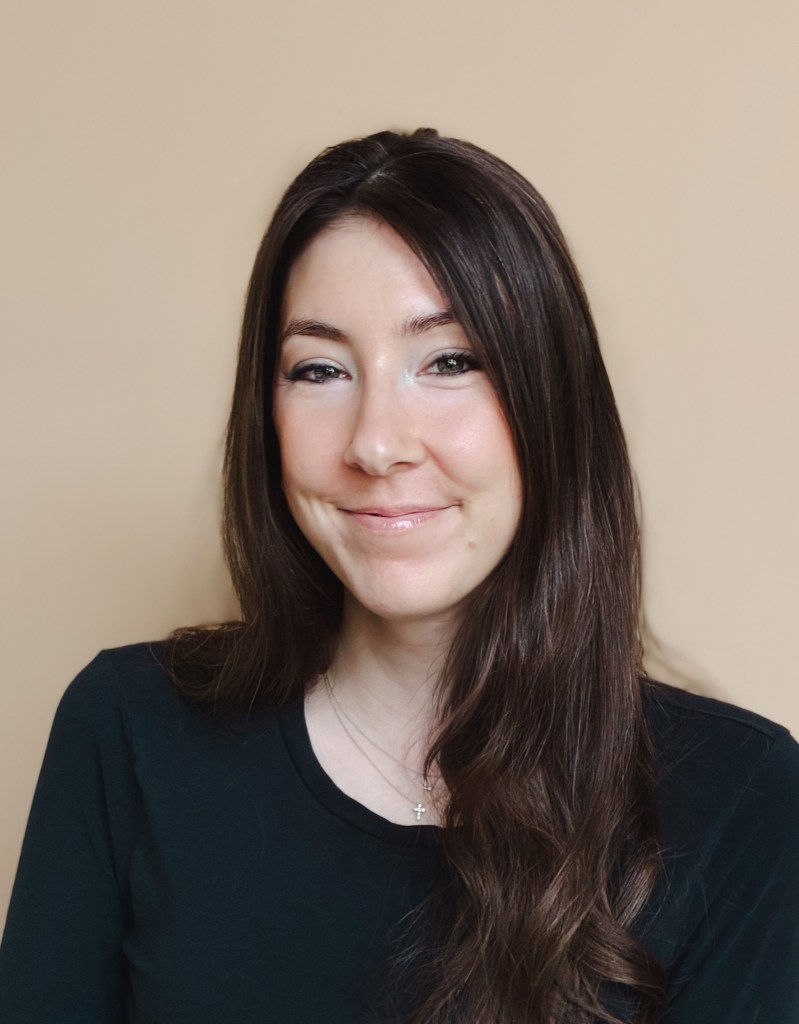
Kathryn (Kat) Varga is a public health professional with experience leading the implementation and evaluation of clinical care solutions and healthcare technology platforms. Leveraging her background in biostatistics and science communication, Kat deploys a mixed methods approach to programmatic support and sustainment. Currently, Kat is a Senior Healthcare Consultant supporting the implementation of VA’s IRB management system, VAIRRS. She has been navigating life with Long COVID-related Postural Orthostatic Tachycardia Syndrome (POTS) since 2021.
Julia Moore Vogel is an Assistant Professor and Senior Program Director at Scripps Research as well as a Contributor at the Patient Led Research Collaborative. She is using her more than five years of lived experience with Long COVID and Myalgic Encephalomyelitis to conduct research that aims to address Long COVID and other infection-associated chronic conditions. She is also the co-Principal Investigator for The Participant Center of the All of Us Research Program. She previously managed genomics initiatives at the New York Genome Center and The Rockefeller University. She has a PhD in Computational Biology and Medicine and an MBA both from Cornell.
Yanze Yu is a Ph.D. student and Paul F. Lazarsfeld Fellow in the Department of Sociology at Columbia University. He is also a research fellow at The Trust Collaboratory, The Center on Organizational Innovation, and a Precision Medicine & Society Fellow at Columbia University Irving Medical Center. His research lies at the intersection of medicine, science and technology studies, and political economy, with a broad focus on the social processes of medicalization. In particular, he is interested in embodiment and valuation within pharmaceuticalization. His work examines a wide range of conditions, including tics (Tourette’s syndrome, TikTok Tics), ADHD, rare diseases, and Long COVID.

